Where to place vents for optimal airflow in a kitchen
To achieve optimal airflow in a kitchen, vents should ideally be placed near cooking areas, such as above the stove, and at strategic points throughout the room to ensure efficient air circulation and moisture control.
Understanding kitchen airflow dynamics
Before determining where to place vents in your kitchen, it’s crucial to understand how airflow works. Air moves from areas of high pressure to low pressure, making it essential to ensure a balanced flow. Hot air rises, so vents need to capture this rising heat and facilitate ventilation. Positioning vents in conjunction with exhaust fans is key to maintaining a comfortable kitchen environment, particularly where moisture and cooking odors are prevalent.
Placement above the cooking surface
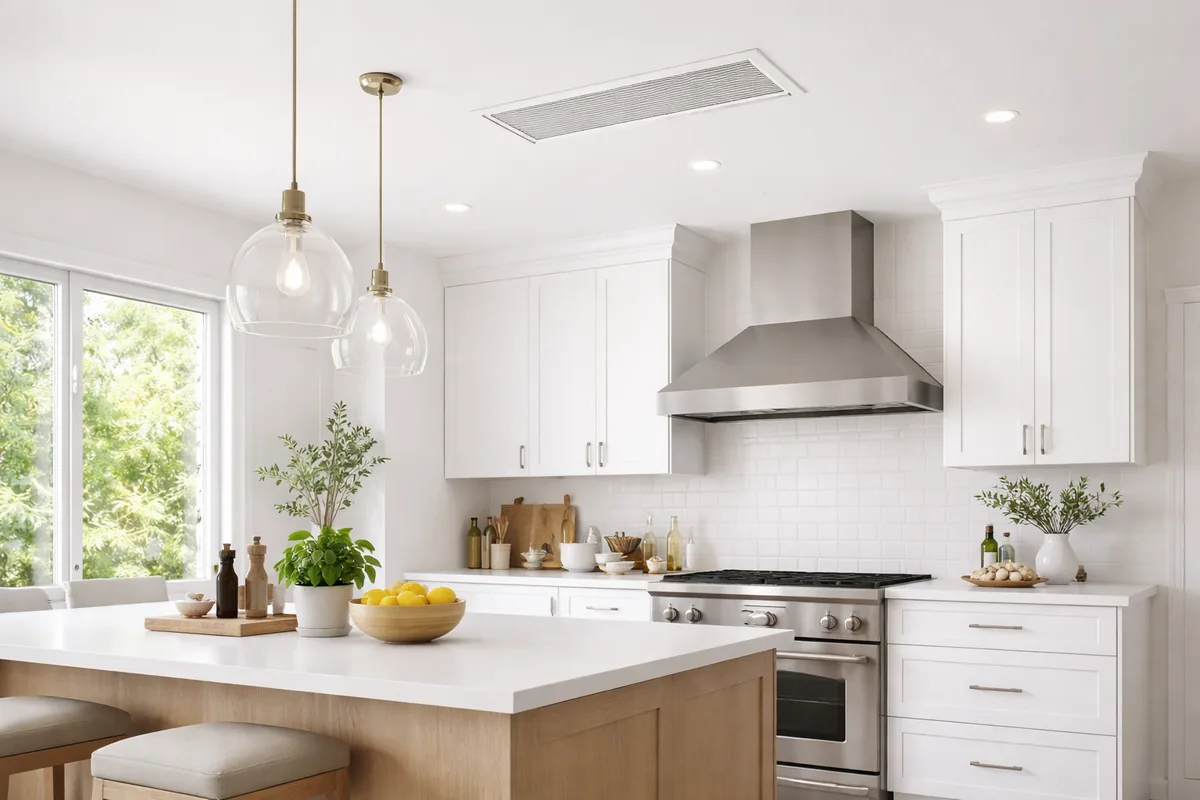
The most effective location for a vent is directly above the cooking surface. An overhead range hood is ideal, as it captures heat, smoke, and grease before they can spread throughout the kitchen. This not only enhances air quality but also aids in temperature control while cooking. Choosing a vent hood that matches the size of your cooktop can maximize its effectiveness by improving airflow and reducing the risk of any adverse effects due to inadequate ventilation.
Incorporating vents for exhaust and intake
In addition to overhead vents, consider incorporating both exhaust and intake vents for balanced ventilation. Exhaust vents should be installed in areas where steam, smoke, and strong odors are likely to accumulate, while intake vents can be positioned on the opposite side to draw in fresh air. This setup is essential for preventing stale air buildup and ensuring that your kitchen remains inviting and comfortable during meal prep.
Utilizing side walls for supplemental airflow
Another strategic placement for vents is along the side walls of the kitchen. The use of wall-mounted vents allows for the uneven distribution of air to be mitigated and promotes better circulation throughout larger areas. These vents can be especially effective in kitchens that are open to other living spaces. By allowing air to flow in from the sides, these vents help to create a more uniform temperature and improve overall air quality.
The role of ceiling vents
Ceiling vents can also play a significant role in kitchen ventilation. Though they are not as common in residential settings, they can be highly effective in properly designed spaces. By incorporating ceiling vents that distribute air evenly, you help to eliminate hot spots and promote uniform air movement. Ensure that any ceiling vent is adequately maintained and not obstructed by light fixtures or cabinetry to maximize airflow.
Vent fans and their positioning
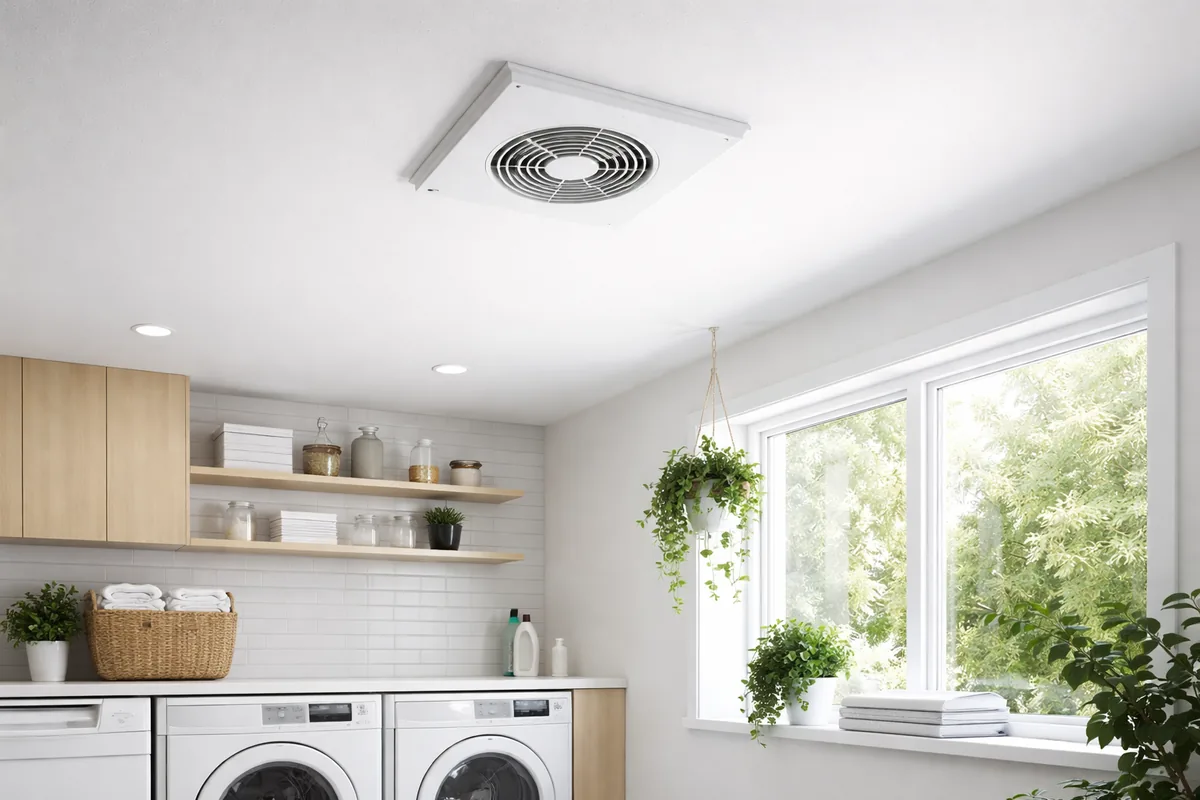
Install vent fans, particularly in kitchens adjacent to bathrooms or laundry areas, to facilitate a cross-ventilation effect. A well-placed exhaust fan can draw humid air out from the kitchen while simultaneously allowing fresh air to enter from external sources. Position fans within reach for easy operation, ideally mounted near the cooking surface and away from high-traffic areas. This enhances usability while maintaining effective airflow dynamics.
Factors affecting vent placement
When deciding where to install vents, consider factors such as ceiling height, the layout of kitchen islands, and kitchen appliance positioning. Ceilings higher than the average will necessitate longer ducts or larger vents to maintain airflow efficiency. When designing around a kitchen island, overhead hoods become essential to protect against drifting smoke and odors while maximizing airflow. Always ensure that vent placement complements other kitchen features and doesn’t impede movement or functionality.
Table of optimal vent placements
| Location | Purpose | Recommended Type |
|---|---|---|
| Above stove | Capture smoke and steam | Range hood |
| Side walls | Promote circulation | Wall-mounted vents |
| Ceiling | Distribute air evenly | Ceiling vents |
| Near appliance | Reduce odor and humidity | Exhaust fan |
Maintaining proper airflow
Ensuring that vents are unobstructed and well-maintained is crucial to achieving optimal airflow in your kitchen. Regular cleaning and checking for blockages, as well as effectively sealing duct joints, can help maintain airflow efficiency. Additionally, consider the seasons; in colder months, warm air can be preserved by adjusting vent usage to minimize drafts. Utilizing ceiling fans for temporary air movement can also support consistent temperature control.
Customizing vent systems
Each kitchen is unique, and customizing your vent system to suit your specific cooking habits is vital. For those who frequently cook with intense heat or strong spices, increased ventilation systems may be necessary. Likewise, kitchens that experience heavy humidity should have robust exhaust systems in place. Consultation with a ventilation expert can help tailor solutions to individual needs, ensuring effective airflow and moisture control.
FAQ
What is the best type of vent for a kitchen?
The best type of vent for a kitchen is an overhead range hood, which effectively captures smoke, steam, and odors. Wall-mounted or ceiling vents can also be beneficial, depending on your kitchen layout.
How high should my kitchen vent be above the stove?
Generally, kitchen vents should be installed 24 to 30 inches above the cooking surface for optimal performance, but checking specific manufacturer recommendations is advisable.
Can I install vents in an existing kitchen without renovations?
Yes, vents can often be added or modified in an existing kitchen with minimal renovations. However, consulting a professional to assess the space is recommended for best results.
How often should I clean my kitchen vents?
Kitchen vents should be cleaned every three to six months to maintain efficiency and prevent grease buildup, especially if you cook frequently.
Will adding vents reduce cooking odors?
Yes, strategically placed vents can effectively reduce cooking odors by improving airflow and expelling stale air, which contributes to a fresher kitchen environment.