Can you use a dehumidifier for better air circulation
Yes, a dehumidifier can improve air circulation by reducing excess moisture in the air, which allows for better airflow and a more comfortable indoor environment.
Understanding how dehumidifiers work
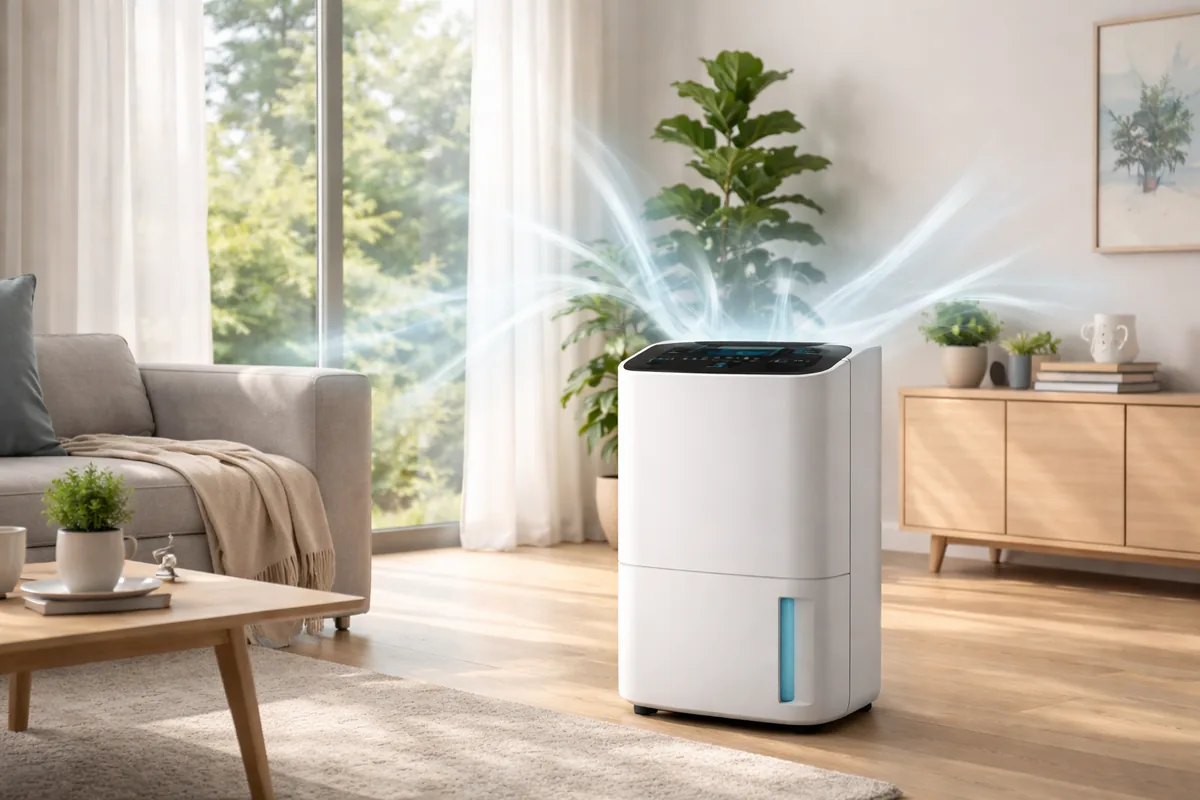
A dehumidifier works by drawing in humid air, cooling it to condense moisture, and then releasing drier air back into the room. This process not only lowers the humidity levels but also helps in enhancing the overall airflow within a space. By eliminating excess humidity, it prevents the air from becoming heavy, making it easier for air to circulate freely.
The role of humidity in air circulation
Humidity can have a significant impact on how air circulates within your home. High humidity levels lead to a thick, heavy atmosphere where air movement is restricted. This can result in stagnant indoor air, creating an environment conducive to mold growth, dust mites, and other allergens. By using a dehumidifier to maintain an ideal indoor humidity level—typically between 30% and 50%—you facilitate smoother air circulation. In environments where air can flow freely, energy efficiency can also improve since HVAC systems do not have to work as hard to circulate air.
Benefits of combining dehumidifiers with ventilation systems
Integrating a dehumidifier with your existing ventilation system can significantly enhance indoor air quality. In situations where mold or mildew is prevalent due to high humidity, using a dehumidifier can reduce moisture while the ventilation system works to replace stale air with fresh outdoor air. This combination leads to a healthier living environment. Dehumidifiers can operate continuously or on a set schedule, ensuring that humidity levels remain stable, contributing to an effective air circulation strategy.
| Application | Dehumidifier Type | Benefits |
|---|---|---|
| Basements | Portable or whole-home | Prevents mold, improves air quality |
| Bathrooms | Portable | Reduces condensation, prevents odors |
| Living areas | Whole-home | Enhances comfort, reduces allergens |
Choosing the right dehumidifier
When selecting a dehumidifier for improved air circulation, consider the size of the area to be dehumidified. Dehumidifiers are rated by their capacity, often expressed in pints per day. It’s crucial to choose a unit that matches the square footage of your space. A too-small unit may run continuously without effectively lowering humidity, while a too-large unit may overshoot the desired humidity level, making the air overly dry. For optimal performance, consult the manufacturer’s specifications or seek expert advice on your choice. Additionally, some models come equipped with fan settings, enhancing their ability to circulate air.
Maintenance tips for effective performance
Regular maintenance is key to ensuring your dehumidifier operates efficiently and contributes positively to air circulation. This includes cleaning the unit’s filters every month, checking for blockages, and ensuring that the reservoir or drain is functioning correctly. Keeping the coils clean ensures maximum cooling efficacy and moisture removal. If using a portable unit, position it in a central location to enhance airflow and connect it to a drainage system if available to reduce the frequency of emptying the tank.
Conclusion of the benefits
In summary, utilizing a dehumidifier can significantly aid in improving air circulation in your home. With proper usage, you can enjoy a more comfortable living environment, preserve the structural integrity of your home, and enhance your overall health by reducing allergens and harmful pollutants.
FAQ
How does a dehumidifier differ from an air conditioner?
A dehumidifier primarily reduces humidity levels in the air, while an air conditioner cools the air temperature. Both appliances can help in air circulation but serve different primary purposes.
Can I use a dehumidifier and air conditioner simultaneously?
Yes, using both can be beneficial, especially in humid climates. The dehumidifier can help manage humidity levels while the air conditioner provides cooling, resulting in better overall air quality.
What humidity levels are ideal for home comfort?
The ideal indoor humidity level is typically between 30% and 50%. This range promotes comfort while minimizing health risks associated with mold and dust mites.
How often should I run my dehumidifier?
The frequency of use depends on your local climate and moisture levels in your home. In humid conditions, continuous operation may be necessary, while less humid areas may require intermittent use.
Are there energy-efficient dehumidifiers available?
Yes, many modern dehumidifiers are designed to be energy-efficient, using less electricity while achieving effective moisture control. Look for ENERGY STAR-rated models to ensure efficiency.