What size exhaust fan do I need for a laundry room
To find the right size exhaust fan for your laundry room, you need to assess the room's volume in cubic feet and ensure the fan can provide the appropriate air changes per hour. For optimal ventilation, aim for 2-3 air changes hourly, which means a fan that can handle 180-270 cubic feet per minute (CFM) for an average-sized laundry room.
Understanding air change rates
Air change rates refer to how many times the air in a room is replaced with fresh air in an hour. This is a crucial metric when selecting an exhaust fan because it directly affects air quality and moisture removal efficiency. Laundry rooms often create high levels of humidity and odors, necessitating adequate ventilation to prevent mold growth and unpleasant smells. For effective ventilation, you should aim for 2 to 3 air changes per hour, allowing for proper moisture control and air circulation.
Calculating your laundry room volume
The first step in determining your exhaust fan requirements is to calculate the volume of your laundry room. Measure the length, width, and height of the room in feet and multiply these dimensions together. Here's the formula:
| Measurement | Value (in feet) |
|---|---|
| Length | [Your Value] |
| Width | [Your Value] |
| Height | [Your Value] |
For example, if your laundry room is 10 feet long, 8 feet wide, and 8 feet high, the volume would be:
10 ft (length) x 8 ft (width) x 8 ft (height) = 640 cubic feet.
Choosing the right exhaust fan size
Once you have the volume, you can determine the required CFM by multiplying the room volume by the desired air changes per hour. Using the prior example, if you aim for 3 air changes:
640 cubic feet x 3 (air changes) = 1,920 cubic feet per hour.
Now, to convert this to CFM (cubic feet per minute), divide by 60:
1,920 cubic feet per hour ÷ 60 = 32 CFM.
Though this may seem low for many options, keep in mind that the total CFM requirement may vary based on the moisture you expect to generate in your laundry room, so you might consider a fan rated for higher CFM for added efficiency.
Factors to consider beyond size
While size is the primary consideration, other factors also influence the effectiveness of your exhaust fan. These include:
- Noise level: Consider the decibel rating of the fan, especially if the laundry room is near living areas.
- Installation type: Choose between wall-mounted, ceiling-mounted, or inline fans depending on the room configuration.
- Moisture resistance: Select fans designed for humid environments to ensure longevity.
Installing your exhaust fan
When you have selected the appropriate exhaust fan, proper installation is vital for optimal performance. Follow manufacturer instructions, ensuring the fan is placed in an area that provides the best airflow while being easily accessible for maintenance. Typically, positioning the fan high on the wall is more efficient in removing warm, moist air which rises. Make sure to vent it straight to the outside; ducts that run long distances can severely reduce efficiency, requiring a higher CMF rated fan.
Maintaining your exhaust fan
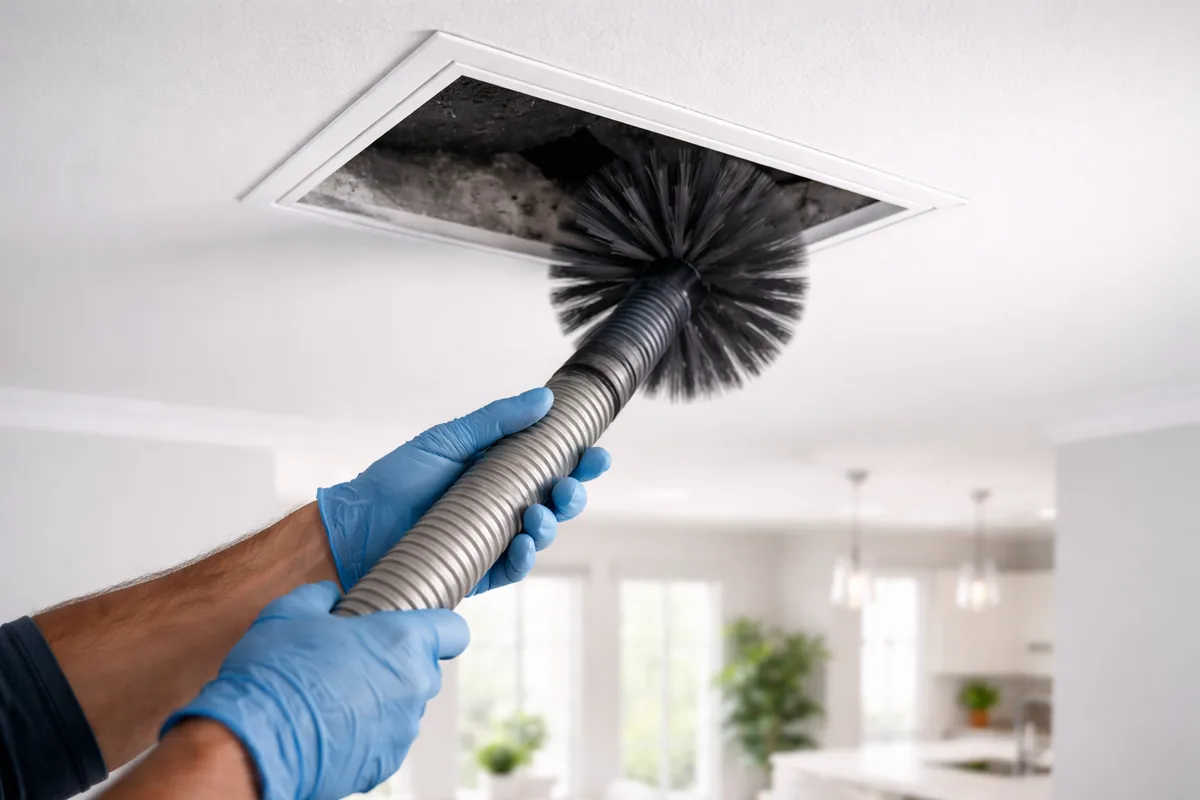
Regular maintenance of your exhaust fan will ensure optimal performance and longevity. Clean the fan blades and housing regularly to remove dust and debris that can restrict airflow. Check the fan yearly to make sure it is operating efficiently and replace it as necessary to maintain a healthy laundry room environment.
FAQ
How do I know if my exhaust fan is too small?
If your laundry room still feels humid or smells musty after using the exhaust fan, it may be undersized. Additionally, prolonged drying times for clothes could also indicate inadequate air movement.
Can I install an exhaust fan in the ceiling?
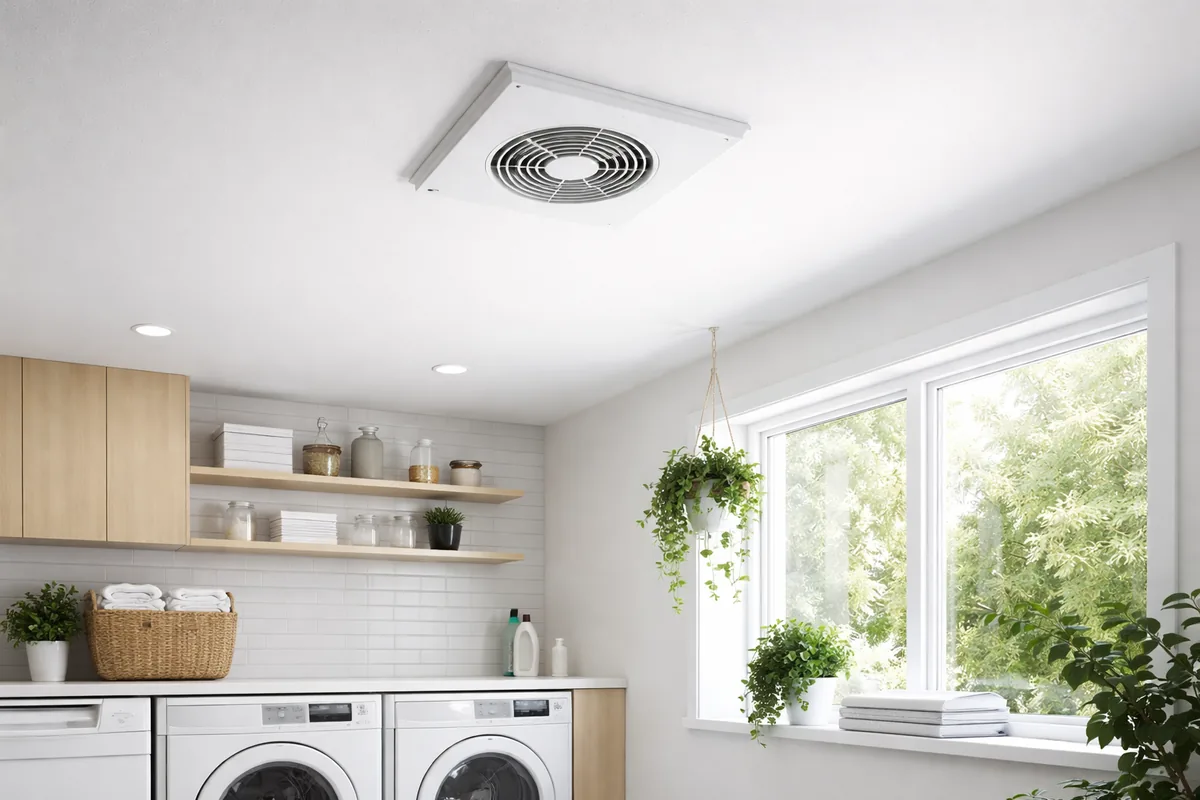
Yes, ceiling-mounted exhaust fans are common and can be effective in laundry rooms. Ensure the fan is properly vented to the outside for optimal results.
What if I can’t vent outside?
If venting to the outside isn't possible, consider using a recirculating fan; however, note that it may not remove humidity effectively as venting directly outside does.
Is a higher CFM always better?
No, while high CFM fans may remove more air, they can be noisier and may not be necessary for smaller laundry spaces. Choose a fan that fits your specific volume and needs.
How often should I run my laundry room exhaust fan?
Run your exhaust fan whenever you are doing laundry, especially during washing and drying cycles, to effectively remove humidity and odors from the room.