How to assess indoor air quality in your living space
Assessing indoor air quality (IAQ) is essential for maintaining a healthy living environment. It involves measuring the level of pollutants, humidity, and overall ventilation in your home. To effectively assess IAQ, focus on identifying common air pollutants, measuring humidity and temperature, and conducting air quality tests.
Identifying common indoor air pollutants
Indoor air can be contaminated by various pollutants that significantly impact health. These include volatile organic compounds (VOCs), mold, pet dander, dust mites, and carbon monoxide. VOCs are emitted by household products such as paints, cleaning agents, and air fresheners. Mold thrives in damp areas, making it crucial to monitor humidity levels. Moreover, dust mites are prevalent in bedding and upholstered furniture, while pet dander can exacerbate allergies. Carbon monoxide, a colorless and odorless gas, can originate from furnaces and gas appliances, posing a serious health risk.
Measuring humidity and temperature
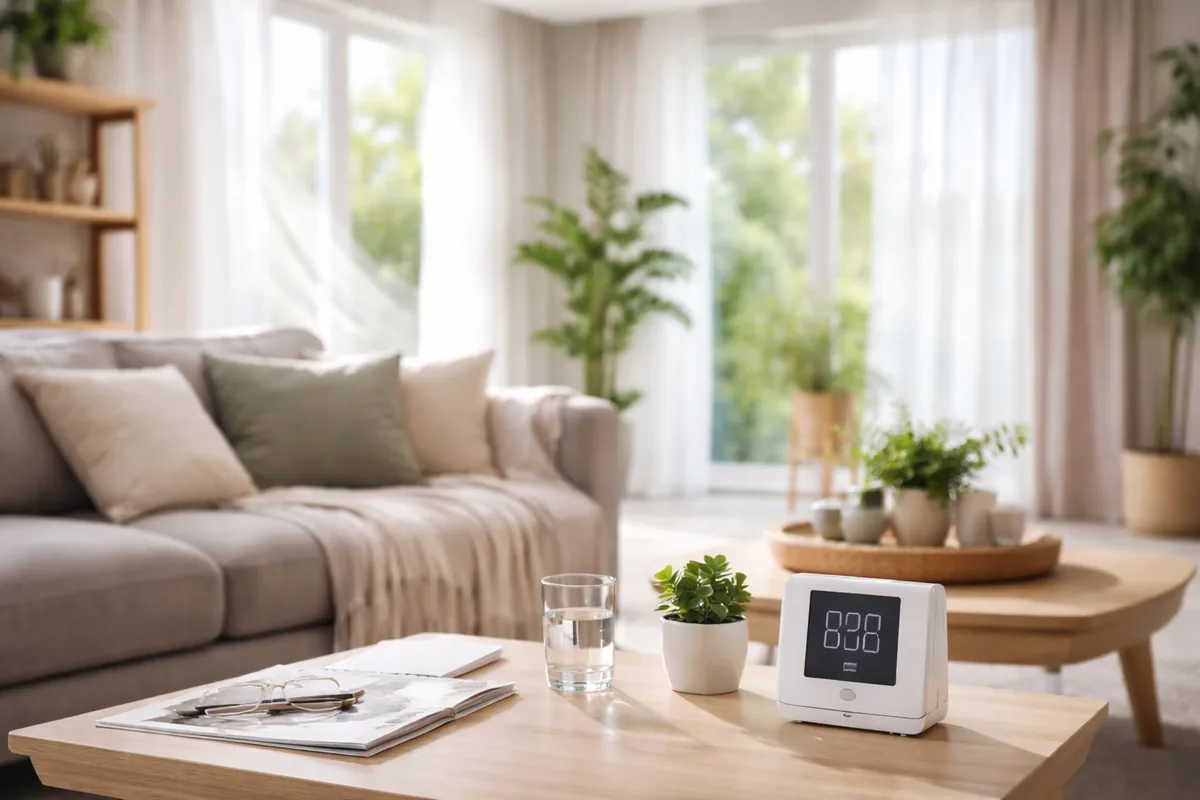
Humidity plays a vital role in indoor air quality. Ideally, indoor humidity levels should be between 30% and 50%. High humidity can lead to mold growth and dust mites, while low humidity can cause respiratory discomfort. To gauge humidity levels, consider using a hygrometer, which measures moisture in the air. Alongside humidity, monitor the indoor temperature, aiming for a comfortable range of 68°F to 72°F. Constant changes in temperature can also affect air quality.
Conducting air quality tests
To comprehensively evaluate indoor air quality, consider investing in air quality testing kits that can detect specific pollutants. These kits often test for common chemicals, mold spores, and particulate matter. Follow the instructions carefully, typically requiring you to collect air samples from different rooms at various times. This information will reveal potential pollutants present in your environment. Alternatively, hire a professional air quality consultant if you suspect significant issues.
Understanding ventilation systems impact on IAQ
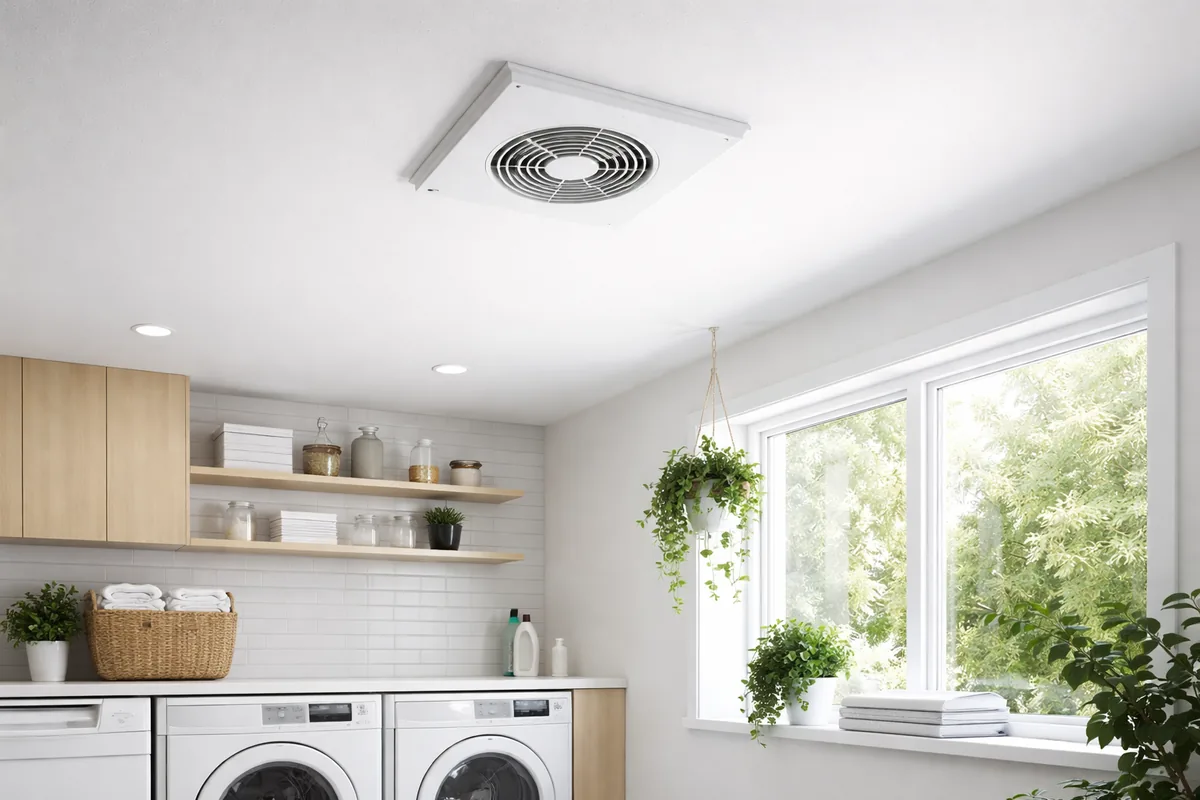
Your home's ventilation system is crucial for maintaining good indoor air quality. Various systems, including natural ventilation, mechanical ventilation, and whole-house fans, play a role in removing stale air and introducing fresh air. Assess whether your current system is functioning optimally. Check that exhaust fans are operational and that windows open easily to promote natural airflow. Improving ventilation helps dilute indoor pollutants and control humidity levels.
Common signs of poor indoor air quality
Recognizing the signs of poor indoor air quality can help you take necessary actions quickly. Common indicators include persistent odors, excessive dust accumulation, and respiratory problems such as coughing or sneezing. Accompanying symptoms, like headaches or eye irritations, may also suggest air quality issues. If these signs are coupled with increased humidity or notable sources of pollution, it may indicate an urgent need for assessment and remediation.
Practical solutions for improving indoor air quality
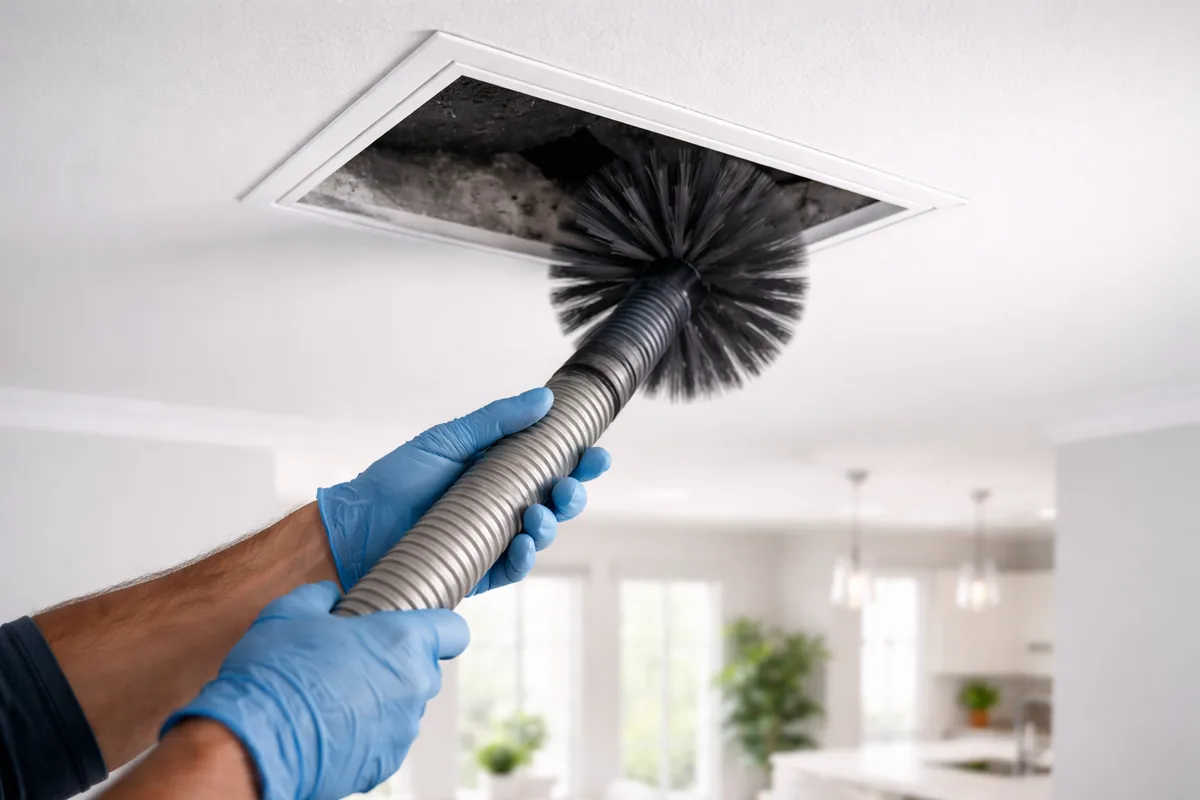
There are several practical steps to enhance indoor air quality in your living space. First, ensure regular maintenance of heating, ventilation, and air conditioning (HVAC) systems. Clean or replace filters every few months to maximize efficiency. Next, implement a regular cleaning schedule to minimize dust and allergens. Using air purifiers with HEPA filters can also help reduce airborne particles. Additionally, consider introducing houseplants, which can naturally purify the air by absorbing toxins.
| Pollutant | Source | Health Effects |
|---|---|---|
| VOCs | Paints, cleaning products | Headaches, nausea |
| Mold | High humidity, leaks | Respiratory issues, allergic reactions |
| Pet dander | Pets | Allergies, asthma |
| Carbon monoxide | Gas appliances | Headaches, dizziness |
Tips for maintaining good indoor air quality
To ensure ongoing assessment and maintenance of indoor air quality, consider adopting these best practices. Regularly inspect air filters in your HVAC system, changing them as needed to prevent re-circulation of dust and contaminants. Scheduling annual check-ups for heating systems can also identify any potential issues early. Further, keep windows open when weather permits to allow fresh air circulation. Strive to use green cleaning supplies to reduce chemical exposure, which can improve air quality.
FAQ
How often should I check indoor air quality?
You should assess indoor air quality at least once a year or more frequently if you notice any changes in air quality, such as increased dust, odors, or health symptoms.
Do air purifiers really improve indoor air quality?
Yes, air purifiers with HEPA filters are effective in reducing airborne particles, allergens, and some chemical pollutants, thus enhancing overall indoor air quality.
What is the best way to reduce humidity in my home?
To lower humidity levels efficiently, use dehumidifiers, ensure proper ventilation, and fix any leaks that may introduce moisture into the air.
Can cigarette smoke affect indoor air quality?
Absolutely. Cigarette smoke contains numerous harmful chemicals and can significantly degrade indoor air quality, leading to health effects for both smokers and non-smokers.
What should I do if I suspect mold in my home?
If you suspect mold, it's crucial to address the moisture source first and then consult a professional for mold testing and remediation to ensure safe removal.