How does a whole house ventilation system improve indoor air quality
A whole house ventilation system significantly improves indoor air quality by continuously circulating fresh outdoor air throughout the home while removing stale air. This dual function helps to maintain a healthier living environment, reducing allergens, pollutants, and humidity levels.
Understanding whole house ventilation systems
Whole house ventilation systems use a central fan or series of fans to provide balanced ventilation that is essential for maintaining indoor air quality. These systems can be classified into three primary types: exhaust ventilation systems, supply ventilation systems, and balanced ventilation systems.
• Exhaust ventilation systems remove indoor air, causing outside air to enter the home through unintentional leaks and passive vents.
• Supply ventilation systems force outdoor air into the house, pressurizing the home and prompting the expulsion of stale indoor air through outlets.
• Balanced ventilation systems employ fans to both supply and exhaust air in equal measures, creating a natural balance that optimizes indoor conditions.
The importance of fresh air
Fresh air is crucial for indoor air quality as it dilutes indoor pollutants such as volatile organic compounds (VOCs), allergens, and excess moisture. Stale indoor air can lead to increased concentrations of carbon dioxide (CO2), which can cause health issues such as headaches, fatigue, and decreased cognitive function. Using a whole house ventilation system not only ensures a steady intake of fresh air but also helps achieve humidity control by displacing moisture-laden air, thus preventing issues like mold and mildew growth.
Improving energy efficiency
While introducing fresh air is essential, energy efficiency remains a significant concern for homeowners. Many whole house ventilation systems feature heat recovery ventilators (HRVs) or energy recovery ventilators (ERVs), which enhance energy efficiency by transferring heat between incoming and outgoing air. This exchange helps to condition the incoming air to a more comfortable temperature before it enters the living spaces, reducing the load on heating and cooling systems. Homeowners can save on utility bills while maintaining a healthy indoor environment.
Installation options and considerations
Installing a whole house ventilation system requires careful planning and considerations like the size of the home, existing ductwork configurations, and local building codes. Homeowners should consult with ventilation professionals to determine the appropriate system type and size based on their specific home layout and air quality requirements. The installation typically involves integrating the system with existing HVAC units or designing a standalone solution that connects to various rooms.
Costs involved in installing a whole house ventilation system
The cost to install a whole house ventilation system can vary depending on the type of system, features included, and labor costs in your area. On average, homeowners can expect to spend anywhere from $1,000 to $5,000 for a complete installation. Below is a general breakdown of potential costs:
| System Type | Estimated Cost |
|---|---|
| Exhaust ventilation system | $1,000 - $3,000 |
| Supply ventilation system | $1,500 - $4,000 |
| Balanced ventilation system | $2,000 - $5,000 |
This investment not only improves indoor air quality but also potentially increases the home’s value and marketability.
Maintenance of whole house ventilation systems
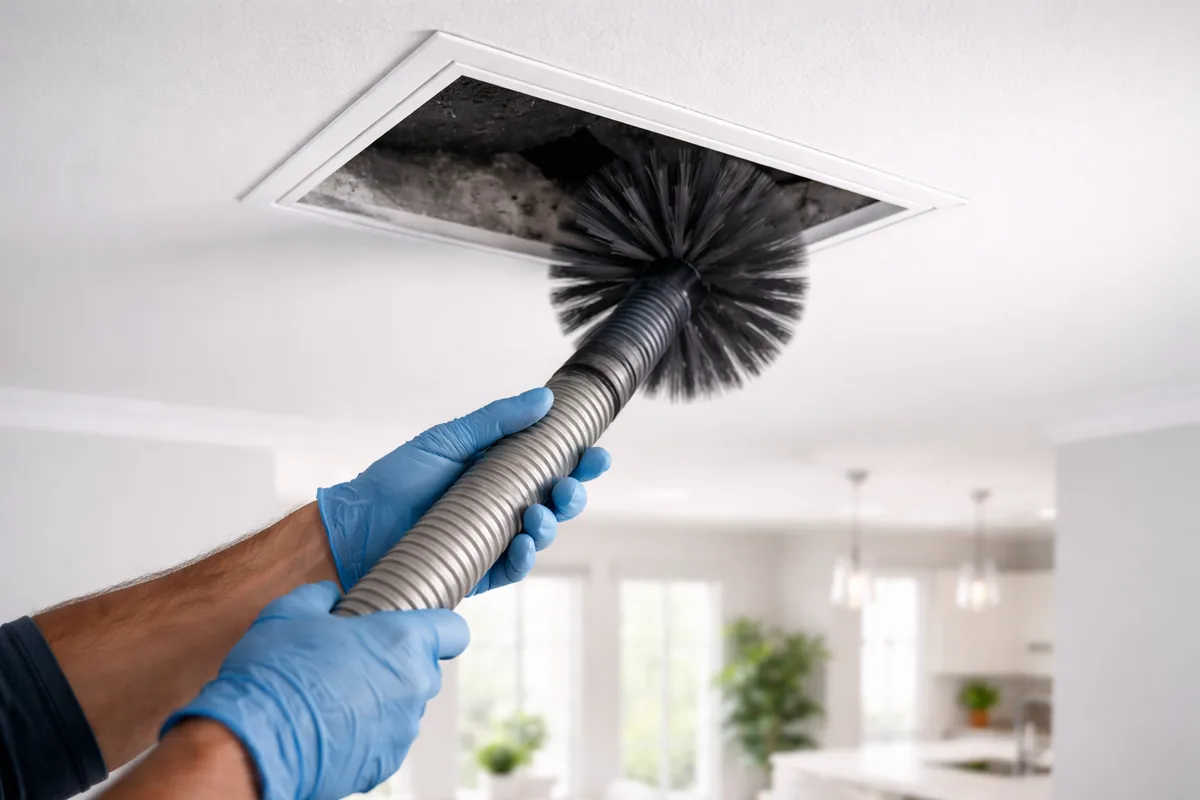
Regular maintenance of your whole house ventilation system is vital for optimal performance and longevity. Homeowners should schedule inspections and maintenance at least once a year. Key aspects of maintenance include changing filters, cleaning ducts, and checking the functionality of the fans and controls. These tasks ensure that the system operates efficiently while sustaining high indoor air quality.
Conclusion
A whole house ventilation system is an effective solution for improving indoor air quality and promotes a healthier living environment. By continuously introducing fresh air and managing humidity levels, these systems mitigate common indoor air quality challenges while enhancing energy efficiency.
FAQ
What are the signs that I need a whole house ventilation system?
If you experience persistent musty odors, excessive humidity, or an increase in allergy symptoms, it may indicate the need for a whole house ventilation system.
How do I choose the right type of ventilation system?
Consider factors such as your home's size, existing ductwork, and personal preferences for system efficiency when selecting the right ventilation type.
Can I install a whole house ventilation system myself?
While some homeowners may attempt DIY installations, it is recommended to hire a professional to ensure safety and compliance with building codes.
Will a whole house ventilation system increase my energy bills?
While initial costs may rise, energy-efficient whole house ventilation systems reduce energy consumption by improving heating and cooling efficiency.
How long does a whole house ventilation system last?
With regular maintenance, a whole house ventilation system can last 10-15 years or longer, depending on the system type and usage.