What materials are best for ductless ventilation systems
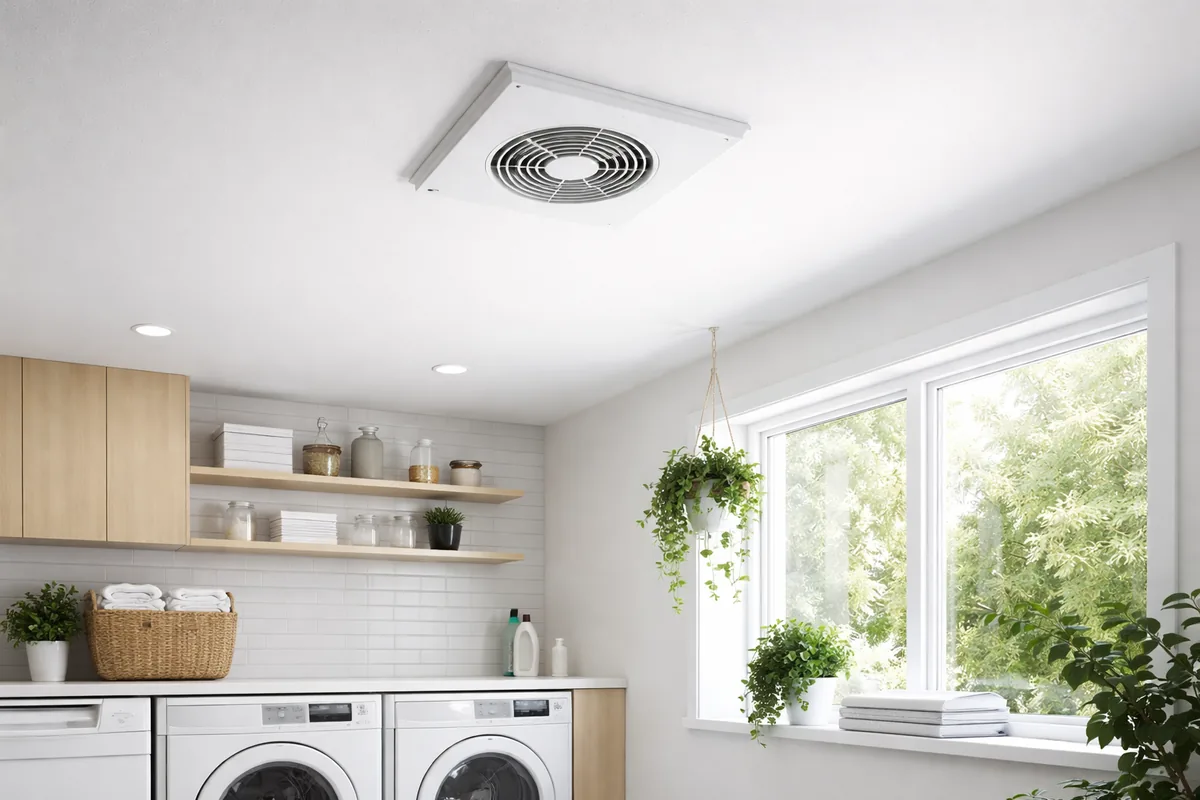
Ductless ventilation systems can significantly improve indoor air quality by optimizing airflow without the need for traditional ductwork. The best materials for these systems include high-quality metals, advanced plastics, and insulation components that promote durability and efficiency, ensuring a clean air environment.
Key materials used in ductless ventilation systems
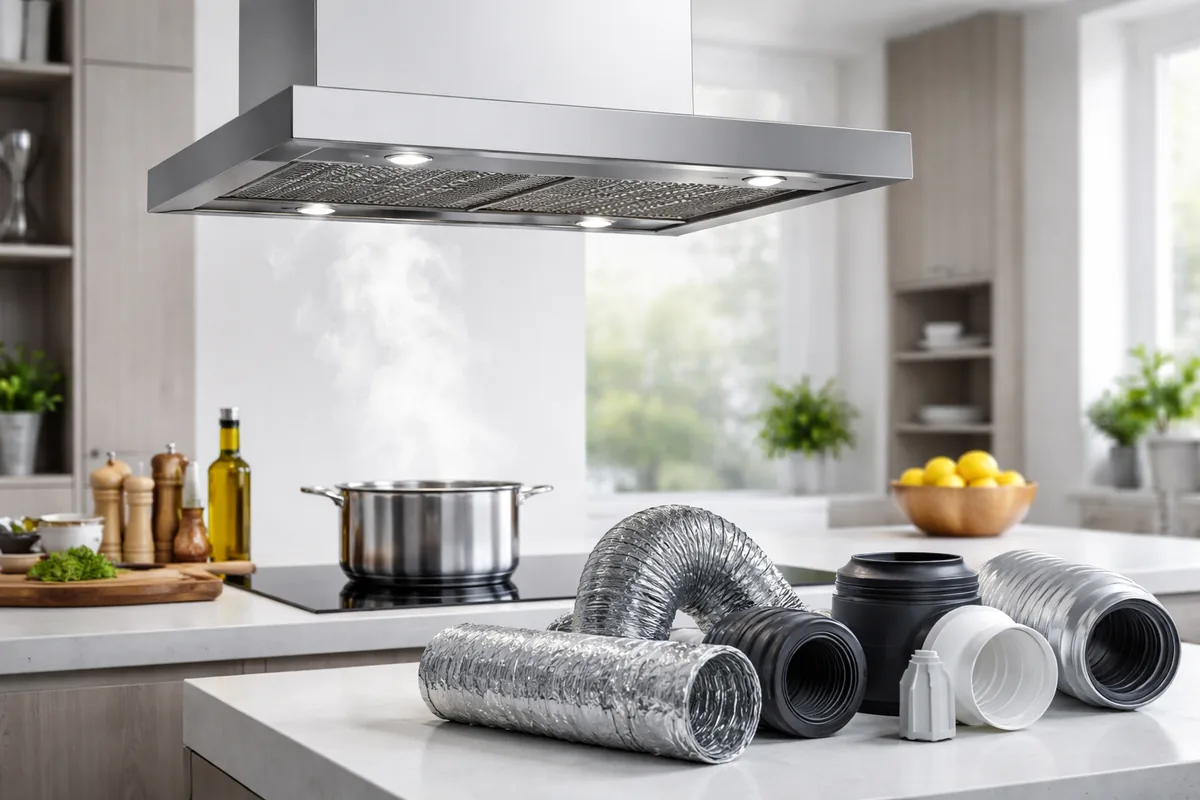
The choice of materials for ductless ventilation systems can greatly affect their efficiency and durability. Commonly used materials include:
- Aluminum: Lightweight, resistant to corrosion, and able to conduct heat efficiently, aluminum is frequently used in ductless ventilation systems.
- Galvanized steel: Known for its strength and long lifespan, galvanized steel is often utilized in the structural components of these systems, effectively supporting functional integrity.
- Polyethylene: This plastic is commonly used in duct manufacturing due to its resistance to moisture and ease of installation, providing a lightweight alternative to metal ducts.
- Insulation materials: Insulation such as fiberglass or foam is critical for energy efficiency. These materials help maintain desired temperatures and minimize energy loss throughout the ventilation process.
Advantages of using aluminum
Aluminum stands out among materials for ductless ventilation systems due to its unique properties. It is inherently resistant to corrosion, making it ideal for environments that may experience moisture or varying humidity levels. Additionally, its lightweight nature simplifies installation, reducing labor costs. Moreover, aluminum's excellent heat conductivity aids in the rapid distribution of conditioned air, enhancing overall system efficiency.
Why choose galvanized steel?
Galvanized steel is another excellent choice for ductless ventilation systems. Its durability makes it less prone to physical damage compared to other materials, which is essential for long-term installations. Galvanizing provides an extra layer of protection against rust and corrosion, significantly extending the lifespan of the ducts. Furthermore, galvanized steel's robust structure can handle more significant airflow demands without risking structural integrity.
The role of polyethylene in ductless systems
Polyethylene is often used in duct design for its versatility and cost-effectiveness. This material is less expensive than metals, which can reduce initial investment costs. Its resistance to moisture and mold ensures that indoor air quality remains high, avoiding common problems associated with damp environments. Lightweight and easy to install, polyethylene ducts can streamline installation processes and reduce labor expenses.
Importance of insulation materials
No ductless ventilation system is complete without effective insulation. Insulation materials, such as fiberglass or foam, play a vital role in energy efficiency by reducing thermal losses as air travels through ducts. Proper insulation ensures that the air entering your living spaces is maintained at the desired temperature, cutting down on energy usage and ensuring cost savings on heating and cooling bills. Effective insulation can also minimize noise transmission from ventilation systems, creating a more comfortable living environment.
Comparative analysis of materials
| Material | Durability | Cost | Efficiency |
|---|---|---|---|
| Aluminum | High | Moderate | High |
| Galvanized steel | Very high | Higher | High |
| Polyethylene | Moderate | Low | Moderate |
| Insulation (fiberglass/foam) | High | Moderate | Very high |
This table summarizes the key attributes of each materials, illustrating how their respective strengths and weaknesses can impact the choice for ductless ventilation systems. By selecting the right combination, homeowners can optimize their systems for better performance and longevity.
Final considerations for material selection
Choosing the appropriate materials for ductless ventilation systems depends on various factors, including budget, desired efficiency, and installation environment. Aluminum may work best for lightweight needs, whereas galvanized steel provides superior strength. Polyethylene is economically viable for less demanding installations, while proper insulation should always be prioritized to enhance system performance. Evaluating these aspects carefully will lead to a more effective, long-lasting solution for maintaining optimal indoor air quality.
FAQ
What is a ductless ventilation system?
A ductless ventilation system utilizes fans and vents to circulate air without the need for ductwork, making it efficient and flexible for various spaces.
How do materials impact the efficiency of ductless systems?
The choice of materials can affect airflow, energy loss, and longevity, thereby influencing the overall efficiency and performance of ductless ventilation systems.
Can insulated ducts improve energy efficiency?
Yes, insulated ducts help retain conditioned air and minimize energy loss, significantly enhancing the energy efficiency of ductless ventilation systems.
Is aluminum suitable for outdoor installations?
Aluminum is highly resistant to corrosion, making it suitable for outdoor installations where exposure to moisture is common.
What is the average lifespan of ductless ventilation materials?
The lifespan varies by material: aluminum and galvanized steel can last several decades, while polyethylene generally has a shorter service life, often around 10-15 years, depending on conditions.