Is a heat recovery ventilator worth the investment
A heat recovery ventilator (HRV) can be a worthwhile investment for maintaining indoor air quality while saving on energy costs. These systems are designed to exchange stale indoor air with fresh outdoor air, without wasting energy or heat.
Understanding heat recovery ventilators
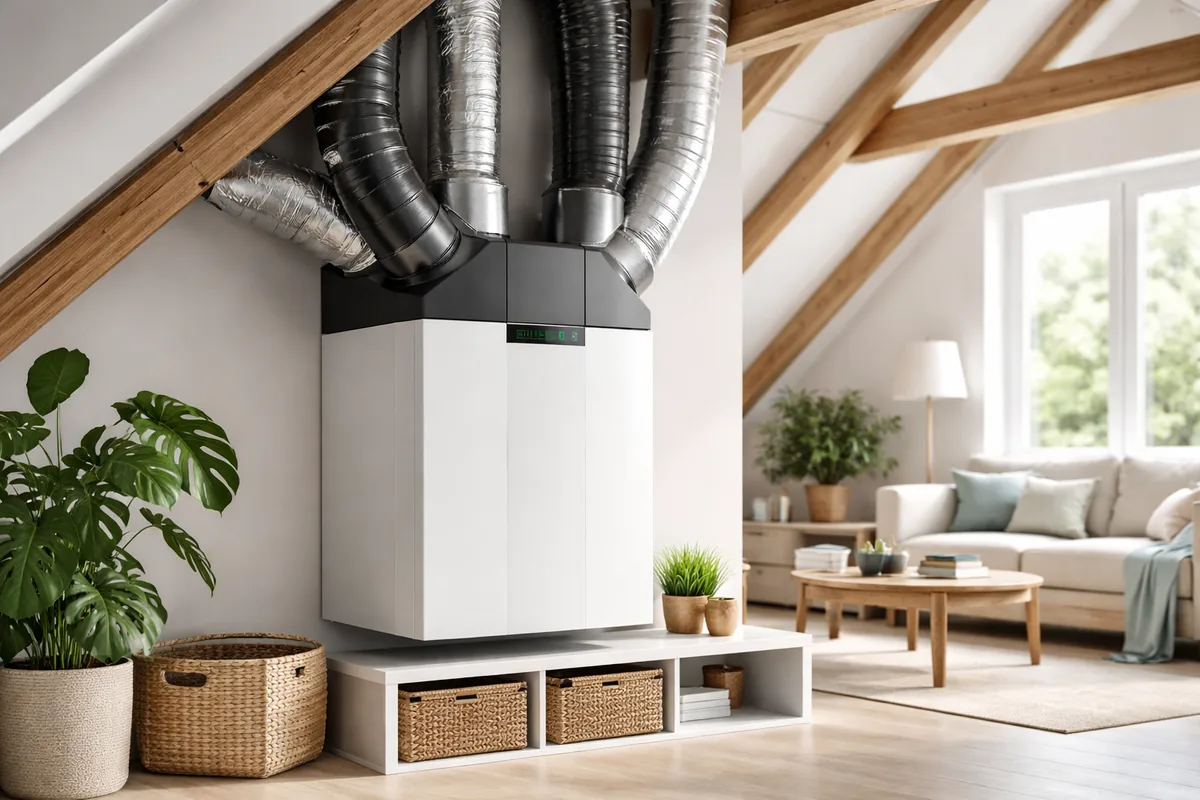
Heat recovery ventilators work by transferring heat from outgoing stale air to incoming fresh air. This process minimizes energy loss by maintaining the interior temperature and reducing heating demands during colder months. An HRV consists of two fans and heat exchange cores, which allow thermal energy to be transferred between exhausted air and incoming outdoor air. In essence, an HRV enables a home to benefit from natural ventilation, ensuring a constant flow of fresh air while keeping energy costs down.
The impact on indoor air quality
One of the most compelling reasons to invest in an HRV is its positive effect on indoor air quality (IAQ). Modern homes are built to be airtight for energy efficiency, which can lead to a buildup of indoor pollutants such as dust, allergens, volatile organic compounds (VOCs), and moisture. These contaminants can lead to respiratory issues and other health problems. An HRV helps mitigate these risks by continuously bringing fresh air indoors, effectively diluting and removing harmful particles.
Energy efficiency and cost savings
Investing in an HRV can also provide significant energy savings. By pre-conditioning the incoming air using the heat from the outgoing air, the system reduces the workload on your heating and cooling systems. For instance, during winter, an HRV can recover up to 80% of the heat from the exhausted air, which reduces the overall heating bill. While the initial investment for an HRV system can be substantial—often ranging from $1,000 to $3,000 depending on the size and complexity—many homeowners find that the long-term savings on their energy bills can quickly offset this cost.
Installation considerations
When considering an HRV, proper installation is crucial for optimal performance. It's essential to have a qualified professional assess your home for suitability, as ductwork may be required to connect the HRV to your existing ventilation system. Additionally, localized regulations or building codes may dictate specific installation practices. On average, professional installation may add an additional $500 to $1,500 to the initial cost of the HRV system. However, proper installation ensures the system operates efficiently, maximizing both air quality and energy savings.
Maintenance requirements
Regular maintenance of an HRV system is necessary to achieve its maximum benefits. This typically involves cleaning or replacing filters every three to six months to prevent dust and debris buildup. It’s also important to inspect the heat exchanger and drain lines to ensure proper functioning. Maintenance can cost anywhere from $100 to $300 per year, but neglecting it may lead to decreased efficiency and potential health issues due to poor air quality.
Advantages of investing in a heat recovery ventilator
| Advantages | Details |
|---|---|
| Improved indoor air quality | Reduces allergens and pollutants, making the living space healthier. |
| Energy efficiency | Recovers heat, minimizing energy loss and lowering utility bills. |
| Moisture control | Helps reduce humidity levels, preventing mold growth. |
| Comfort | Maintains a constant temperature and airflow throughout the home. |
Potential drawbacks and considerations
While there are many benefits to investing in an HRV, some drawbacks exist. Depending on your geographic location, the need for continuous ventilation may be less critical in milder climates. In such cases, homeowners might find simpler ventilation solutions to be more cost-effective. Additionally, the initial installation cost along with the periodic maintenance can deter some homeowners. However, assessing your home's air quality needs and evaluating the potential for energy savings can help determine if an HRV is right for you.
Summary
In conclusion, investing in a heat recovery ventilator can be beneficial for both indoor air quality and energy efficiency. Although the upfront costs can be considerable, the long-term savings and health improvements often justify the investment. For homeowners looking to enhance their indoor environment while keeping energy costs down, an HRV presents a valuable solution.
FAQ
How does a heat recovery ventilator work?
An HRV works by exchanging stale indoor air with fresh outdoor air while transferring heat from the outgoing air to pre-heat the incoming air, minimizing energy loss.
What are the main advantages of an HRV?
The main advantages of an HRV include improved indoor air quality, energy efficiency, moisture control, and overall comfort through better ventilation.
How much does it cost to install an HRV?
The cost to install an HRV system generally ranges from $1,000 to $3,000, plus additional installation fees that can range from $500 to $1,500, depending on complexity.
What maintenance do HRVs require?
HRVs require regular maintenance, including cleaning or replacing filters every three to six months and inspecting the heat exchanger and drain lines annually.
Can an HRV help prevent mold growth?
Yes, an HRV can help control humidity levels in your home, which in turn can reduce the risk of mold growth by providing consistent ventilation.