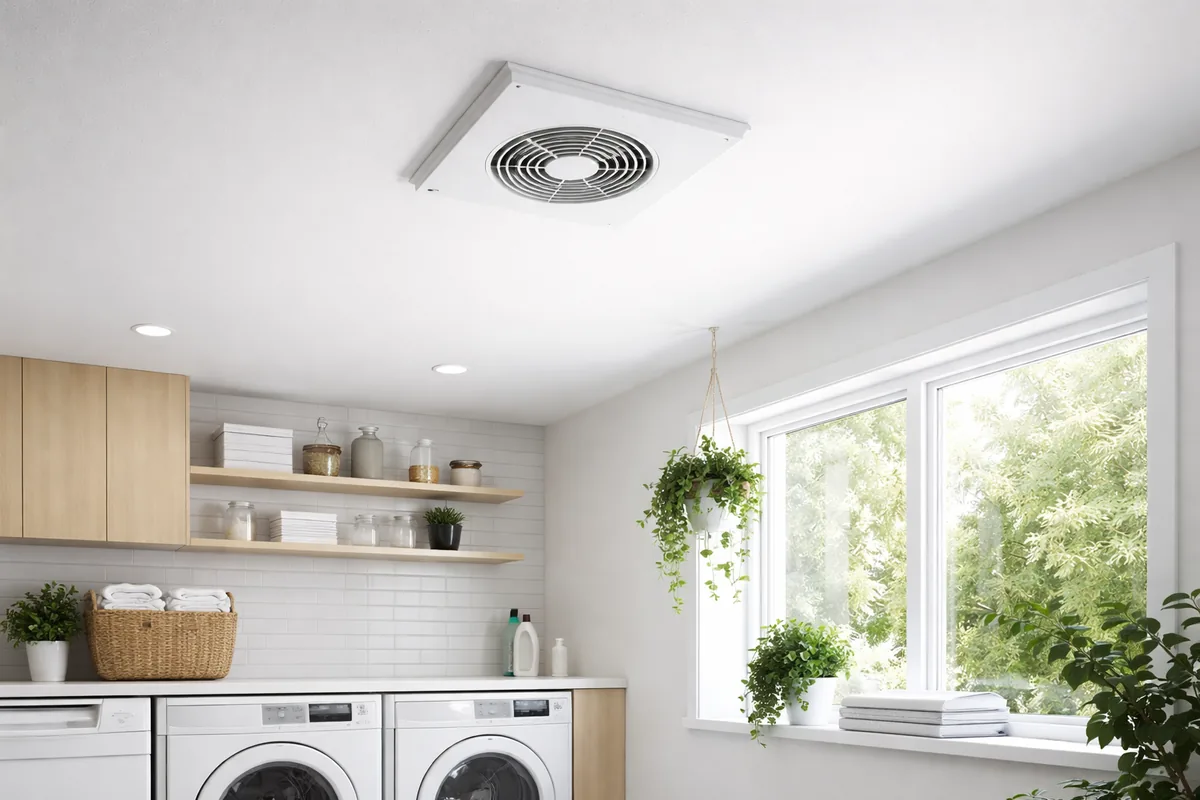
What are the benefits of installing a whole house fan
A whole house fan is an efficient ventilation system that can significantly enhance your home's comfort while reducing energy expenses. By quickly exchanging stale indoor air for fresh outdoor air, it effectively cools your home during hot summer months.
Energy efficiency and cost savings
One of the most noteworthy benefits of installing a whole house fan is its energy efficiency. Unlike traditional air conditioning systems, which consume substantial amounts of electricity, a whole house fan operates on a fraction of that energy. Typically drawing between 150 and 400 watts, these fans can cool your home for a fraction of the cost, potentially saving homeowners hundreds of dollars annually on energy bills. This efficiency stems from the fan's ability to leverage natural ventilation, taking advantage of the cooler evening air and reducing reliance on electric cooling systems.
Improved indoor air quality
A whole house fan promotes better indoor air quality by facilitating continuous air circulation. This process helps to expel stale air, odors, and indoor pollutants such as dust, pet dander, and chemicals from cleaning products. As the fan pulls in fresh outdoor air, it effectively lowers concentrations of allergens and improves overall respiratory health for your family. Regular ventilation can also help prevent the accumulation of moisture, which is a contributor to mold growth and structural damage.
Enhanced cooling effect
During the warm summer months, a whole house fan not only replaces hot air with cooler outside air but also creates a wind-chill effect. This effect can make indoor spaces feel significantly cooler, allowing residents to maintain comfort without over-relying on air conditioning systems. By strategically placing windows in your home, you can optimize airflow, drawing in cool breezes to enhance this natural cooling effect. Effective use of window positioning can lead to lower temperatures indoors while maximizing the benefits of ventilation.
Environmental benefits
Whole house fans contribute to environmental sustainability in several ways. Their high energy efficiency reduces overall energy consumption, which can lower greenhouse gas emissions associated with electricity production. Additionally, by limiting the reliance on air conditioning, which often uses refrigerants with high Global Warming Potential (GWP), you can minimize your home's carbon footprint. Furthermore, using natural ventilation instead of mechanical systems helps reduce the demand on energy grids, especially during peak usage hours.
Installation considerations
When considering the installation of a whole house fan, it's crucial to evaluate your home’s structure and insulation. Properly insulating your attic space and sealing any air leaks will result in optimal performance and efficiency of the fan. Ideally, the fan should be installed in a central location in the ceiling of your upper floor or attic to effectively circulate air throughout the house. Additionally, whole house fan systems are generally straightforward and can often be installed within a day when proper preparation is taken.
Cost of installation
The installation costs of a whole house fan vary based on size, complexity, and the specific contractor. Typically ranging from $500 to $2,000, homeowners should consider both the fan's price and the potential energy savings in the long run. It's advisable to obtain multiple quotes to ensure you receive a competitive price and professional installation. Investing in a quality fan may also provide longer-term savings and reliability.
| Feature | Whole House Fan | Central Air Conditioning |
|---|---|---|
| Energy Consumption | 150-400 watts | 2000-5000 watts |
| Installation Cost | $500 - $2,000 | $3,000 - $7,000 |
| Cooling Method | Natural ventilation | Mechanical cooling |
| Air Quality Improvement | Excellent | Fair |
FAQ
How does a whole house fan work?
A whole house fan operates by creating a negative pressure inside your home, drawing in fresh air through open windows. This rapid air exchange cools the home and improves indoor air quality.
Can a whole house fan be used with air conditioning?
Yes, a whole house fan can complement air conditioning systems by providing additional cooling and reducing the load on your HVAC unit, particularly during cooler evening hours.
What size whole house fan do I need?
The size of the whole house fan depends on your home's square footage. A general guideline is to use 1 CFM (cubic feet per minute) of airflow for every square foot of your home's living space.
Is a whole house fan noisy?
Modern whole house fans are designed to operate quietly. Most homeowners find them to be significantly quieter than traditional air conditioning systems, especially when using them during the night.
How often should I use my whole house fan?
It's most effective to use a whole house fan during the evening and early morning hours when the outdoor air temperature drops. Regular use can help maintain cool air and improve indoor air quality.