How to improve ventilation in a small bathroom
To improve ventilation in a small bathroom, consider installing an exhaust fan, increasing airflow with windows or vents, and incorporating moisture-absorbing materials. Proper ventilation mitigates humidity, prevents mold growth, and enhances overall comfort.
Understanding bathroom ventilation
Bathroom ventilation is crucial in maintaining a healthy living environment. Small bathrooms, in particular, tend to trap moisture and become breeding grounds for mold and mildew due to limited airflow. These issues not only lead to unpleasant odors but also pose health risks. Effective ventilation systems can help control humidity, reduce the likelihood of mold development, and improve indoor air quality by removing stale air and bringing in fresh air.
The role of exhaust fans
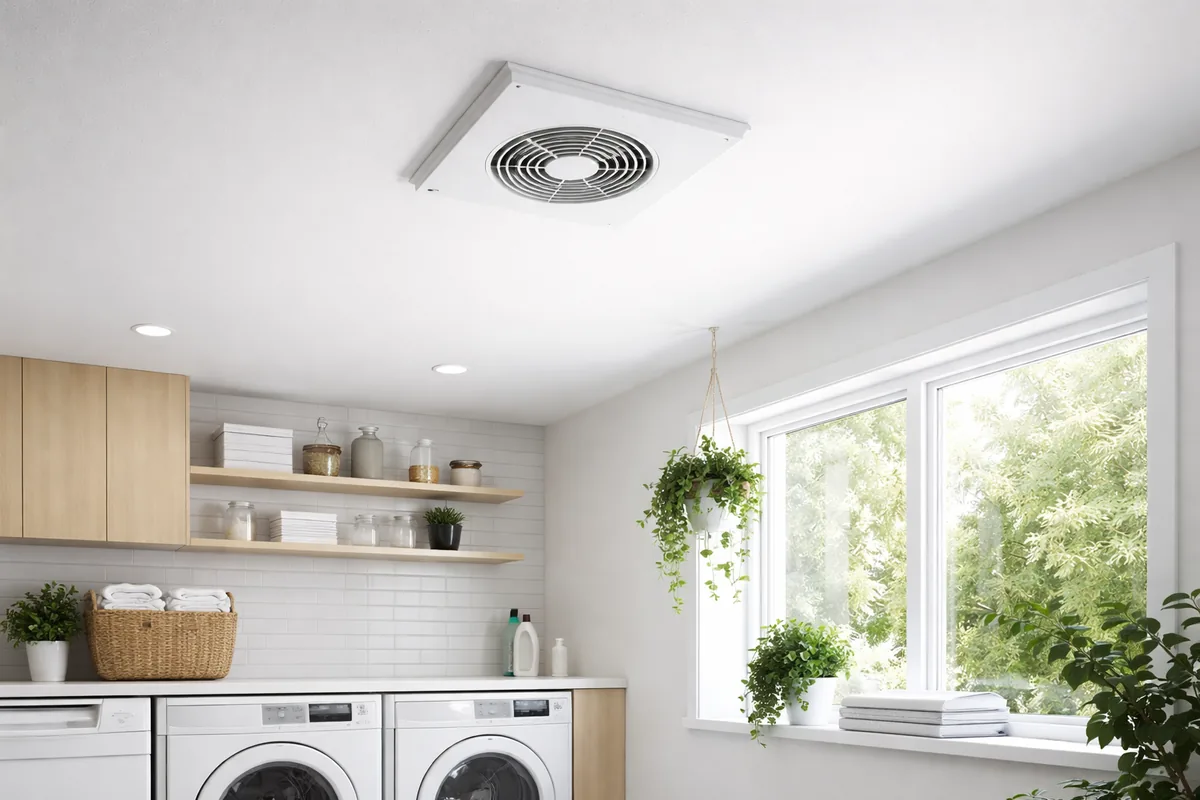
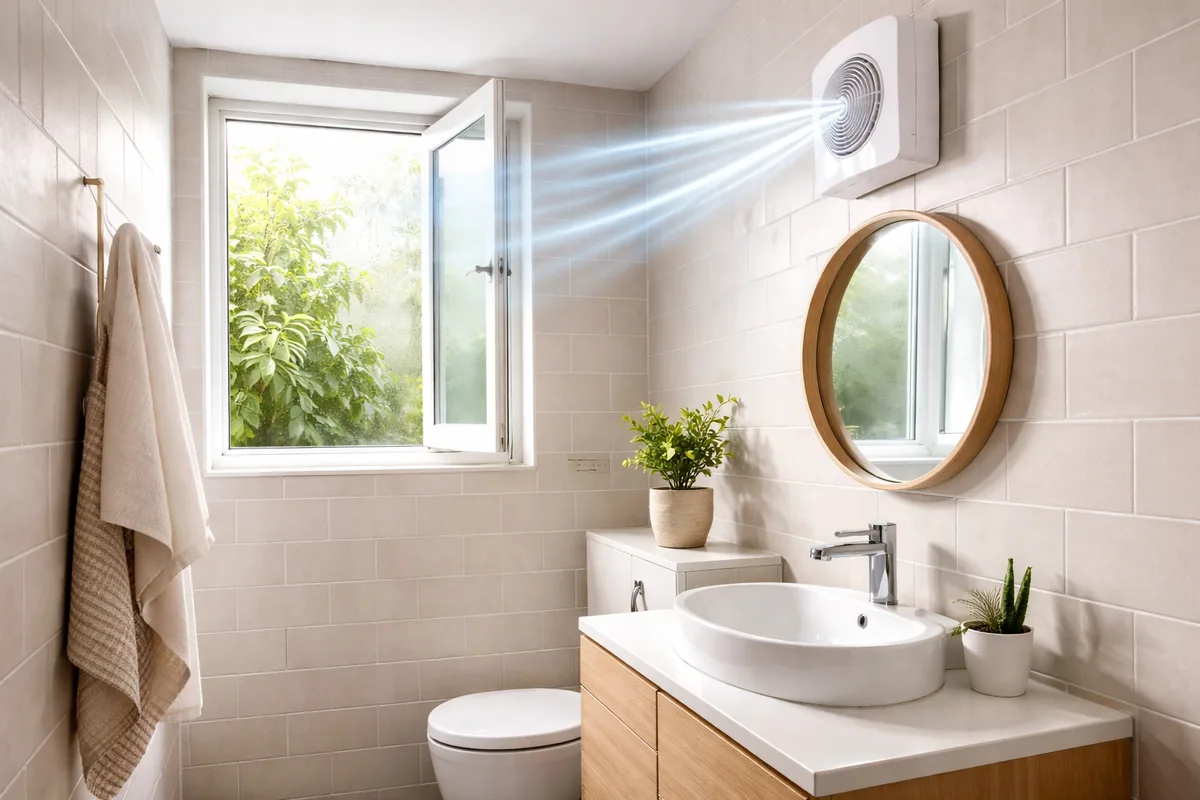
Exhaust fans are one of the most effective solutions for improving ventilation in small bathrooms. These fans are designed to expel humid air and redistribute it outside. When selecting an exhaust fan, consider the fan's cubic feet per minute (CFM) rating, as this indicates how much air the fan can move. For small bathrooms, an exhaust fan with a CFM rating of around 50-100 is typically sufficient, depending on the size of the space. Proper installation and operation, such as running the fan for at least 20 minutes after showering, maximizes its effectiveness.
Utilizing windows and natural airflow
If your small bathroom has a window, utilizing natural airflow can significantly enhance ventilation. Open the window during and after bathing to allow moist air to escape. Using operable windows can also help regulate temperature, keeping the bathroom comfortable. If privacy is a concern, consider installing frosted glass windows or a vented window that can be opened slightly for airflow. In cases where direct window access is lacking, consider whether it’s feasible to install a skylight or a roof vent to introduce additional natural lighting and airflow.
Incorporating vents into the design
Another method to improve ventilation is through the installation of vents. Wall or ceiling vents can help facilitate air exchange between your bathroom and the rest of the home. Positioning a vent that connects to a whole-house ventilation system can introduce conditioned air into the bathroom while exhausting moist air efficiently. Ensure vents are appropriately placed away from the shower or tub area to reduce the chances of drawing in humid air directly from bathing activities.
Investing in moisture-absorbing materials
To further enhance bathroom ventilation, consider integrating moisture-absorbing materials into your design. Desiccant products, such as silica gel or activated charcoal, can effectively decrease humidity levels. Place these materials in discreet areas of the bathroom, such as cabinets or behind fixtures, to maintain air quality without cluttering the space. Additionally, consider using mold-resistant paint and materials for fixtures and furnishings to combat moisture damage.
Regular maintenance of ventilation systems
Ensuring your ventilation system operates effectively requires regular maintenance. For exhaust fans, clean the fan blades and grilles periodically to enhance performance and keep a lookout for any noise or signs of malfunction. If you have ducted ventilation systems, inspect them annually for blockages or leaks that could hinder airflow. Ensuring that your ventilation systems are working efficiently will help prevent the buildup of humidity and maintain a comfortable environment in your small bathroom.
Choosing the right humidity control methods
Monitoring and controlling humidity levels is key to effective ventilation. Keeping a hygrometer in the bathroom allows homeowners to measure humidity levels. Ideally, levels should be kept below 60%. If humidity regularly exceeds this level, consider using a portable dehumidifier that can efficiently remove excess moisture. Additionally, strategic use of heating options, such as radiant floor heating, can also help to maintain comfortable humidity levels and prevent dampness in the bathroom.
| Ventilation Method | Description | Pros | Cons |
|---|---|---|---|
| Exhaust fans | Electric fans that expel moist air outside. | Effective at reducing humidity. | Requires electricity; needs maintenance. |
| Natural ventilation | Opening windows and using vents for fresh air exchange. | Cost-effective; no electricity needed. | Weather-dependent; limited privacy. |
| Moisture-absorbing materials | Desiccants placed strategically to control humidity. | Passive control; low cost. | Needs regular replacement; limited effectiveness. |
FAQ
What is the best way to vent a small bathroom?
The best way to vent a small bathroom is by installing a high-capacity exhaust fan that operates efficiently to remove moist air, combined with natural ventilation options like windows.
How often should I run my bathroom exhaust fan?
Run your bathroom exhaust fan for at least 20 minutes after showers or baths to effectively eliminate humidity and prevent mold growth.
Can I improve bathroom ventilation without an exhaust fan?
Yes, you can improve ventilation by utilizing windows, installing vents, and incorporating moisture-absorbing materials, although an exhaust fan is the most effective solution.
How do I know if my bathroom is humid?
Signs of humidity include a steamy mirror after a shower, condensation on walls, and the presence of mold or musty odors.
What humidity level is ideal for bathrooms?
An ideal humidity level for bathrooms should be below 60% to prevent mold and maintain comfort.